Future of L&D: What Learning & Development Will Look Like by 2030
Introduction
Learning & Development is no longer just an HR function it is becoming a core business strategy. As technology evolves and workplace expectations shift, organizations are rethinking how employees learn, grow, and adapt.
Future of L&D by 2030 will look drastically different from traditional classroom sessions and static training modules. The future will be driven by AI, personalization, immersive learning, and continuous skill development.
Organizations that fail to evolve their learning strategies today may struggle to stay competitive tomorrow.
Why L&D is Rapidly Changing
The modern workforce is changing faster than ever. Automation, AI, remote work, and digital transformation are continuously reshaping job roles and required skills.
Employees today expect:
- Flexible learning experiences
- Personalized development paths
- Faster skill acquisition
- Real-world application of knowledge
At the same time, businesses need agile teams that can adapt quickly to change. This is pushing L&D from being a support function to becoming a business growth driver.
AI Will Redefine Learning Experiences
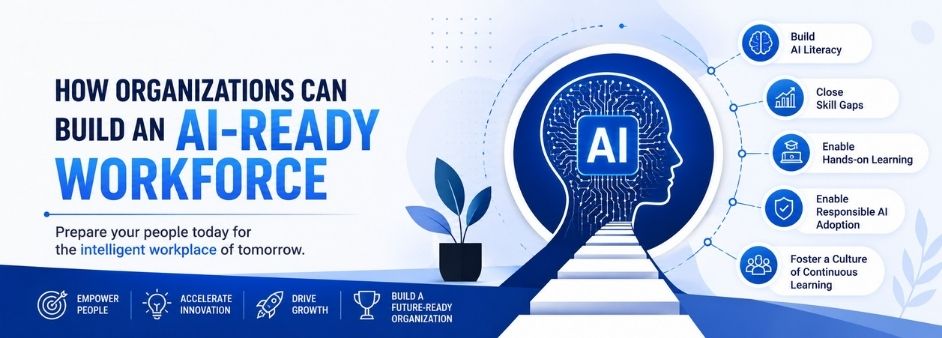
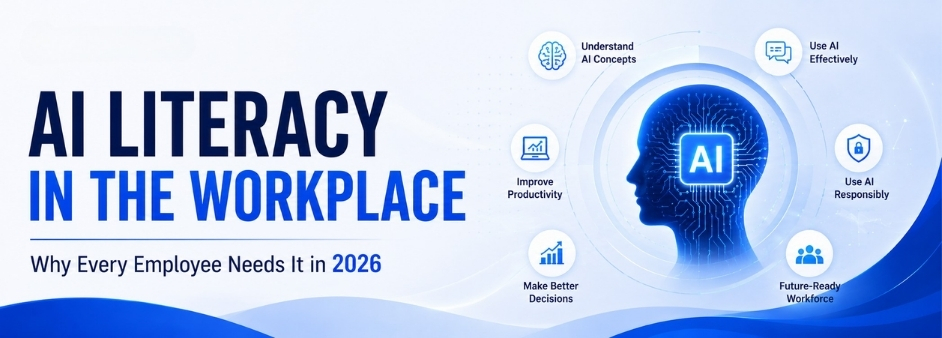
Artificial Intelligence will become one of the biggest drivers of L&D transformation by 2030. Instead of one-size-fits-all training programs, employees will receive personalized learning recommendations based on their skills, performance, and career goals.
AI-powered platforms will:
- Identify skill gaps automatically
- Recommend customized learning paths
- Provide real-time feedback
- Predict future skill requirements
This will make learning faster, smarter, and more relevant.
Microlearning Will Become the Standard
Long training sessions are gradually losing effectiveness. By 2030, microlearning, short, focused learning modules, will dominate corporate training strategies.
Employees will prefer learning that is:
- Quick and accessible
- Mobile-friendly
- Easy to consume during work hours
This approach improves engagement and knowledge retention while reducing learning fatigue.
Immersive Learning Will Rise with VR & AR
Virtual Reality (VR) and Augmented Reality (AR) will create highly immersive training experiences, especially in industries that require hands-on practice.
Imagine employees:
- Practicing simulations in virtual environments
- Learning safety procedures through VR
- Collaborating in immersive digital workspaces
This will make learning more interactive, engaging, and practical.
Skills-Based Learning Will Replace Traditional Career Paths
By 2030, organizations will prioritize skills over degrees. Companies will increasingly hire, promote, and evaluate employees based on demonstrated capabilities rather than traditional qualifications.
L&D teams will focus on:
- Continuous upskilling
- Reskilling employees for future roles
- Building adaptable talent pipelines
The shift toward skills-based learning will redefine workforce development strategies globally.
Learning Will Become Continuous, Not Occasional
One-time training programs will become outdated. Organizations will move toward a culture of continuous learning where employees consistently update their skills throughout their careers.
This means:
- Learning integrated into daily workflows
- On-demand access to training content
- Continuous feedback and development
The companies that build strong learning cultures will be the ones that innovate faster and retain top talent.
Data & Analytics Will Drive L&D Decisions
Future L&D strategies will rely heavily on analytics. Organizations will measure:
- Employee engagement
- Skill development progress
- Training effectiveness
- Business impact of learning initiatives
Instead of simply tracking course completion rates, companies will focus on performance outcomes and ROI.
The Human Element Will Still Matter
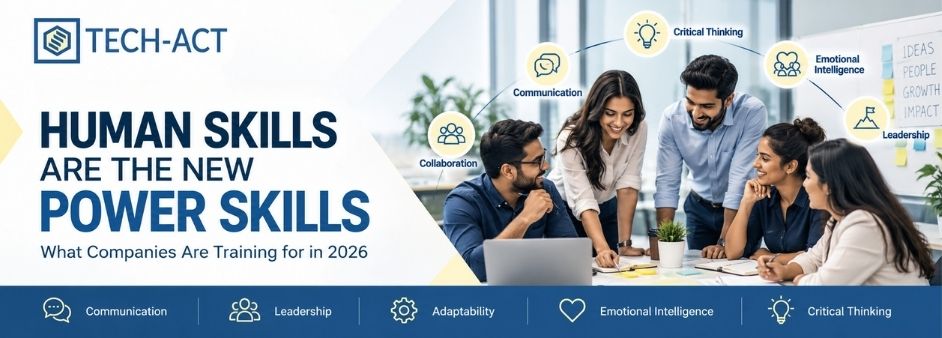
Despite rapid technological advancements, human connection will remain essential in learning. Mentorship, coaching, collaboration, and emotional intelligence will continue to play a major role in employee development.
Technology will enhance learning, but it won’t replace the need for human guidance and support.
How Organizations Can Prepare for the Future of L&D
To stay ahead, organizations should:
- Invest in AI-powered learning platforms
- Build a culture of continuous learning
- Focus on skills-based development
- Adopt flexible and personalized learning models
- Use analytics to improve training effectiveness
The future of L&D belongs to organizations that are willing to evolve now.
Conclusion
By 2030, Learning & Development will become more personalized, data-driven, immersive, and continuous than ever before. Organizations that embrace these changes will build stronger, future-ready workforces capable of adapting to constant transformation.
L&D is no longer just about training employees, it’s about preparing businesses for the future.
FAQs
What is the future of Learning & Development by 2030?
The future of L&D will focus on AI-powered personalization, continuous learning, immersive technologies, and skills-based workforce development.
How will AI impact corporate learning?
AI will personalize training experiences, identify skill gaps, recommend learning paths, and improve learning efficiency through automation and analytics.
Why is microlearning becoming popular?
Microlearning delivers short and focused lessons that are easier to consume, improving engagement and knowledge retention.
What role will VR and AR play in L&D?
VR and AR will provide immersive, hands-on learning experiences through simulations and interactive environments.
Why is continuous learning important for organizations?
Continuous learning helps employees adapt to changing technologies and business needs, ensuring long-term organizational growth and competitiveness.
Introduction
Learning & Development is no longer just an HR function it is becoming a core business strategy. As technology evolves and workplace expectations shift, organizations are rethinking how employees learn, grow, and adapt.
Future of L&D by 2030 will look drastically different from traditional classroom sessions and static training modules. The future will be driven by AI, personalization, immersive learning, and continuous skill development.
Organizations that fail to evolve their learning strategies today may struggle to stay competitive tomorrow.
Why L&D is Rapidly Changing
The modern workforce is changing faster than ever. Automation, AI, remote work, and digital transformation are continuously reshaping job roles and required skills.
Employees today expect:
- Flexible learning experiences
- Personalized development paths
- Faster skill acquisition
- Real-world application of knowledge
At the same time, businesses need agile teams that can adapt quickly to change. This is pushing L&D from being a support function to becoming a business growth driver.
AI Will Redefine Learning Experiences
Artificial Intelligence will become one of the biggest drivers of L&D transformation by 2030. Instead of one-size-fits-all training programs, employees will receive personalized learning recommendations based on their skills, performance, and career goals.
AI-powered platforms will:
- Identify skill gaps automatically
- Recommend customized learning paths
- Provide real-time feedback
- Predict future skill requirements
This will make learning faster, smarter, and more relevant.
Microlearning Will Become the Standard
Long training sessions are gradually losing effectiveness. By 2030, microlearning, short, focused learning modules, will dominate corporate training strategies.
Employees will prefer learning that is:
- Quick and accessible
- Mobile-friendly
- Easy to consume during work hours
This approach improves engagement and knowledge retention while reducing learning fatigue.
Immersive Learning Will Rise with VR & AR
Virtual Reality (VR) and Augmented Reality (AR) will create highly immersive training experiences, especially in industries that require hands-on practice.
Imagine employees:
- Practicing simulations in virtual environments
- Learning safety procedures through VR
- Collaborating in immersive digital workspaces
This will make learning more interactive, engaging, and practical.
Skills-Based Learning Will Replace Traditional Career Paths
By 2030, organizations will prioritize skills over degrees. Companies will increasingly hire, promote, and evaluate employees based on demonstrated capabilities rather than traditional qualifications.
L&D teams will focus on:
- Continuous upskilling
- Reskilling employees for future roles
- Building adaptable talent pipelines
The shift toward skills-based learning will redefine workforce development strategies globally.
Learning Will Become Continuous, Not Occasional
One-time training programs will become outdated. Organizations will move toward a culture of continuous learning where employees consistently update their skills throughout their careers.
This means:
- Learning integrated into daily workflows
- On-demand access to training content
- Continuous feedback and development
The companies that build strong learning cultures will be the ones that innovate faster and retain top talent.
Data & Analytics Will Drive L&D Decisions
Future L&D strategies will rely heavily on analytics. Organizations will measure:
- Employee engagement
- Skill development progress
- Training effectiveness
- Business impact of learning initiatives
Instead of simply tracking course completion rates, companies will focus on performance outcomes and ROI.
The Human Element Will Still Matter
Despite rapid technological advancements, human connection will remain essential in learning. Mentorship, coaching, collaboration, and emotional intelligence will continue to play a major role in employee development.
Technology will enhance learning, but it won’t replace the need for human guidance and support.
How Organizations Can Prepare for the Future of L&D
To stay ahead, organizations should:
- Invest in AI-powered learning platforms
- Build a culture of continuous learning
- Focus on skills-based development
- Adopt flexible and personalized learning models
- Use analytics to improve training effectiveness
The future of L&D belongs to organizations that are willing to evolve now.
Conclusion
By 2030, Learning & Development will become more personalized, data-driven, immersive, and continuous than ever before. Organizations that embrace these changes will build stronger, future-ready workforces capable of adapting to constant transformation.
L&D is no longer just about training employees, it’s about preparing businesses for the future.
FAQs
What is the future of Learning & Development by 2030?
The future of L&D will focus on AI-powered personalization, continuous learning, immersive technologies, and skills-based workforce development.
How will AI impact corporate learning?
AI will personalize training experiences, identify skill gaps, recommend learning paths, and improve learning efficiency through automation and analytics.
Why is microlearning becoming popular?
Microlearning delivers short and focused lessons that are easier to consume, improving engagement and knowledge retention.
What role will VR and AR play in L&D?
VR and AR will provide immersive, hands-on learning experiences through simulations and interactive environments.
Why is continuous learning important for organizations?
Continuous learning helps employees adapt to changing technologies and business needs, ensuring long-term organizational growth and competitiveness.